November 2, 2026
Audio video systems bring together sound, displays, conferencing technology, and other equipment to support communication and presentations in business environments. Office A/V solutions can be designed around conference rooms, meeting spaces, and collaborative areas, with systems tailored to the layout and intended use of each space. Audio video companies can help businesses consider which technologies and capabilities may fit their particular environment.
A well-planned system can also bring multiple components together, so they function as part of a cohesive setup rather than as separate pieces of equipment. Considering the space, existing technology, and intended use during the planning process can help shape an A/V solution that supports the way employees communicate and collaborate. This approach allows businesses to consider both current requirements and potential changes as their technology needs develop.
Practical A/V Systems
Consider Your Space
Business A/V systems should be selected around the space, its intended use, and the technology users need to operate. Conference rooms, meeting spaces, and collaborative environments can require different combinations of audio, displays, video conferencing equipment, and controls. Audio video companies can consider the layout and workflow of a space when developing a system that fits the way the business uses its technology.
Plan For Expansion
A well-planned business A/V system can accommodate changing needs as a company adds rooms, devices, or users. Scalable designs can allow existing systems to be expanded as requirements change. Audio video companies can account for future additions during the initial design so businesses have room for additional capabilities as their needs change.
Planning for expansion can also help businesses determine how new equipment may fit into an existing A/V setup. Considering potential changes early can make it easier to incorporate additional components without losing the functionality of the original system. This forward-looking approach can help keep the A/V environment aligned with changing business requirements.
Evaluate Your Needs
Businesses can begin an A/V project by considering how each space is used, what equipment is already in place, and which capabilities are needed. A consultation can help identify appropriate equipment, system design, installation requirements, and opportunities to integrate new components with existing technology. Audio video companies can use these considerations to develop an approach suited to the business environment.
Clear Audio Components
Select Audio Equipment
Audio equipment is an important part of a business A/V system, particularly in conference rooms, meeting spaces, event centers, and other environments where clear communication is needed. Equipment can be selected based on the size and purpose of the space, how the system will be used, and how it needs to work with other A/V components. Audio video companies can help coordinate these considerations when developing an audio system for a business space.
Integrate Audio Systems
Business audio systems can be integrated with other A/V components to create a cohesive setup for meetings, presentations, and communication. System design should account for the space, intended use, and existing technology so the selected audio equipment works appropriately within the overall installation. Audio video companies can incorporate audio components into a broader A/V system based on those requirements.
Match Audio To The Space
Audio equipment should be selected according to the space and the way the system will be used. Room layout and acoustics can affect how an audio system should be designed and integrated, making those factors important considerations during planning. Customized audio solutions can be developed around conference rooms, meeting spaces, and other business environments.
Evaluate Room Acoustics
Room acoustics can be an important part of A/V planning. The layout and acoustic characteristics of a space can influence how an audio system should be designed and integrated. Evaluating these factors during the consultation can help create an A/V solution suited to the room's intended use and existing conditions.
Versatile Video Components
Choose Suitable Displays
Displays can support presentations, meetings, digital signage, and other business applications. The appropriate display solution depends on the space, intended use, and how the equipment needs to integrate with the rest of the A/V system. Professional A/V planning can bring displays together with audio, conferencing equipment, and control interfaces.
Integrate Projection Systems
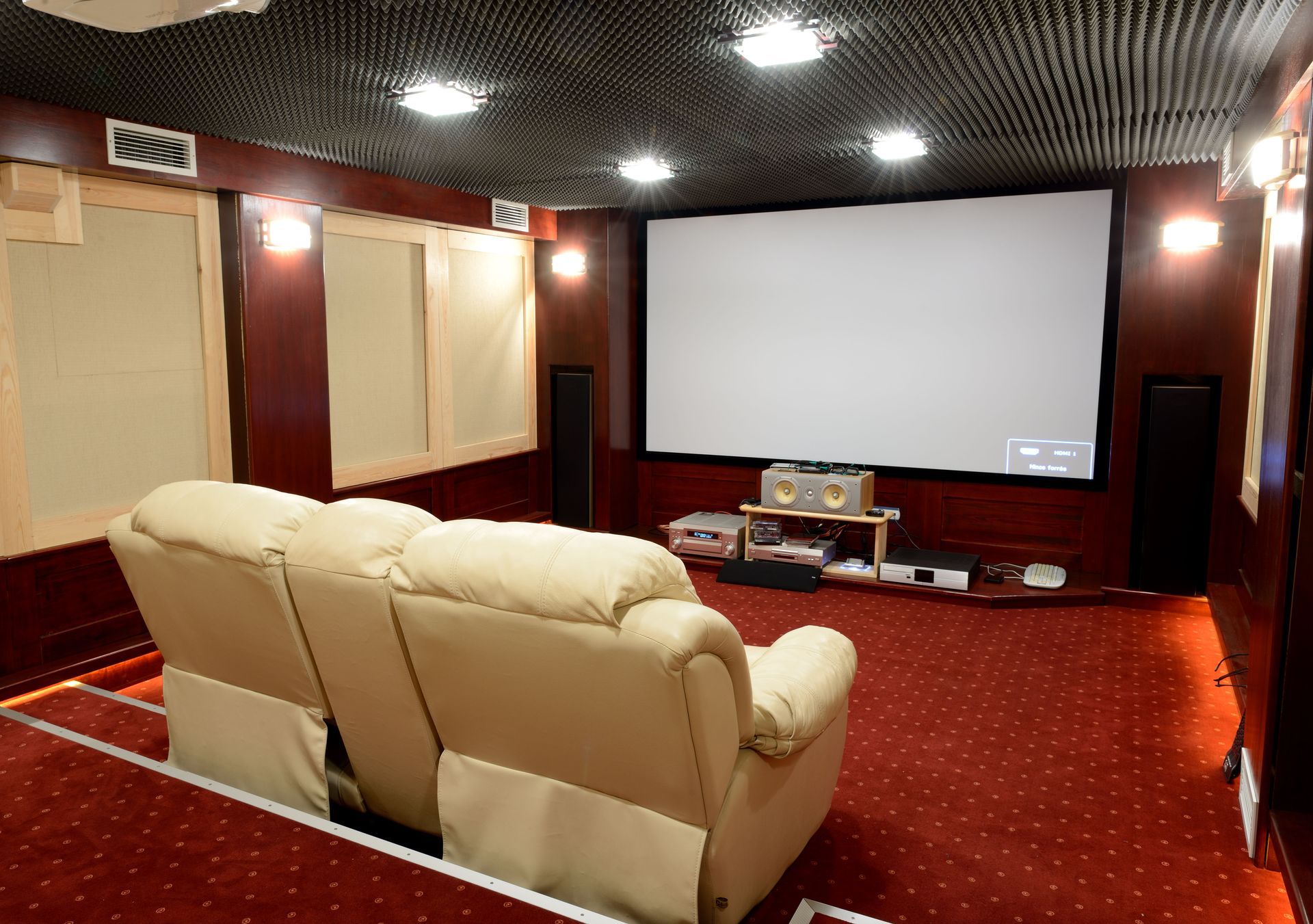
Projection equipment can be incorporated into business A/V systems for presentations, meetings, and other visual applications. The equipment should be selected according to the space and how the system will be used, then integrated with the other components of the A/V setup. Professional installation can help ensure the projection system works cohesively with the rest of the technology.
Integrate Video Conferencing
Video conferencing equipment can help businesses connect teams across locations through dedicated meeting-room A/V systems. These solutions can be integrated with other office technology, including audio equipment, displays, and controls. Custom system design allows the equipment to be matched to the space and the way employees use the meeting room.
Support Visual Communication
Business A/V systems can combine visual equipment with conferencing and presentation technology to support communication in meeting spaces. The equipment selected for each installation can be integrated into a customized system based on the space, its intended use, and the technology already in place. This approach allows the various components to function as part of a cohesive A/V setup.
Integrated A/V Controls
Integrate Existing Technology
New A/V equipment can be integrated with existing technology rather than treated as a completely separate system. The installation process can account for equipment already in place and the way new components need to work together. This approach can help create a cohesive A/V environment while supporting upgrades and future expansion.
Use Simple Controls
Control interfaces can make business A/V systems easier for employees to operate. Standardized controls can simplify daily use and reduce the learning curve for employees. Systems can also be designed around existing technology and expanded as the organization's needs change.
Plan The Installation
Planning an A/V installation around the space and its intended use can help businesses select appropriate equipment and controls. Consultation, system design, equipment selection, installation, and training can all be considered as part of the project. Clear planning also helps ensure that new components work appropriately with existing technology.
Ongoing A/V Support
Maintain A/V Systems
Ongoing A/V support can help address equipment problems and keep systems operating as intended. Professional troubleshooting and maintenance can help businesses address issues after installation and maintain their existing A/V technology. Emergency A/V services can also provide support when an issue requires a faster response.
Support User Adoption
A/V systems are easier to use when employees understand how the equipment and controls work. Training can help users become familiar with the completed system and its controls. Simple interfaces and clear instruction can make it easier for staff to use meeting-room technology consistently.
Match Systems To Needs
A/V systems can be customized around the needs of the business and the space. During the consultation and design process, equipment and system capabilities can be considered according to the intended use of the room and the technology already in place. Scalable office solutions can also accommodate additional rooms, devices, or users as needs change.
According to Market Research Future, by by 2032 the professional audio visual systems market industry is expected to grow to $365.87 billion. This projected growth reflects the expanding role of A/V technology in business environments and the range of components that can be incorporated into these systems. To learn more about customized A/V solutions for business environments, contact Audio Video Integrations.