November 26, 2026
Professional live event production combines advanced technology, creative planning, and experienced technical teams to create engaging experiences for audiences. From concerts and conferences to sporting events and theatrical performances, every production requires careful coordination to deliver clear audio, compelling visuals, and seamless transitions. Professional audio video services help bring these elements together, ensuring that both in-person attendees and remote viewers enjoy a polished experience.
.
Planning a Successful Live Event
Successful live event production begins with a clear understanding of the event's goals and audience. Organizers must consider the type of experience they want to create, the number of attendees, and the technical requirements needed to support the production. These details influence decisions about equipment, staffing, venue selection, and presentation style. Careful planning helps prevent technical complications and keeps every stage of production aligned with the event's objectives.
Venue selection is another important consideration. Production teams evaluate available space, acoustics, lighting conditions, electrical capacity, and network connectivity before determining whether a location can accommodate the event. They also consider where cameras, speakers, displays, and other equipment will be positioned. Professional audio video services help ensure that the venue supports the technical requirements of the production.
Equipment selection also plays a major role in pre-production. Depending on the event, production teams may need professional cameras, microphones, lighting fixtures, video switchers, and streaming equipment. According to Mordor Intelligence, by type, capture and production equipment held a 30.25% revenue share of the professional audio visual systems market in 2025. This highlights the importance of capture technology in professional production environments.
Coordinating Camera Placement and Video Production
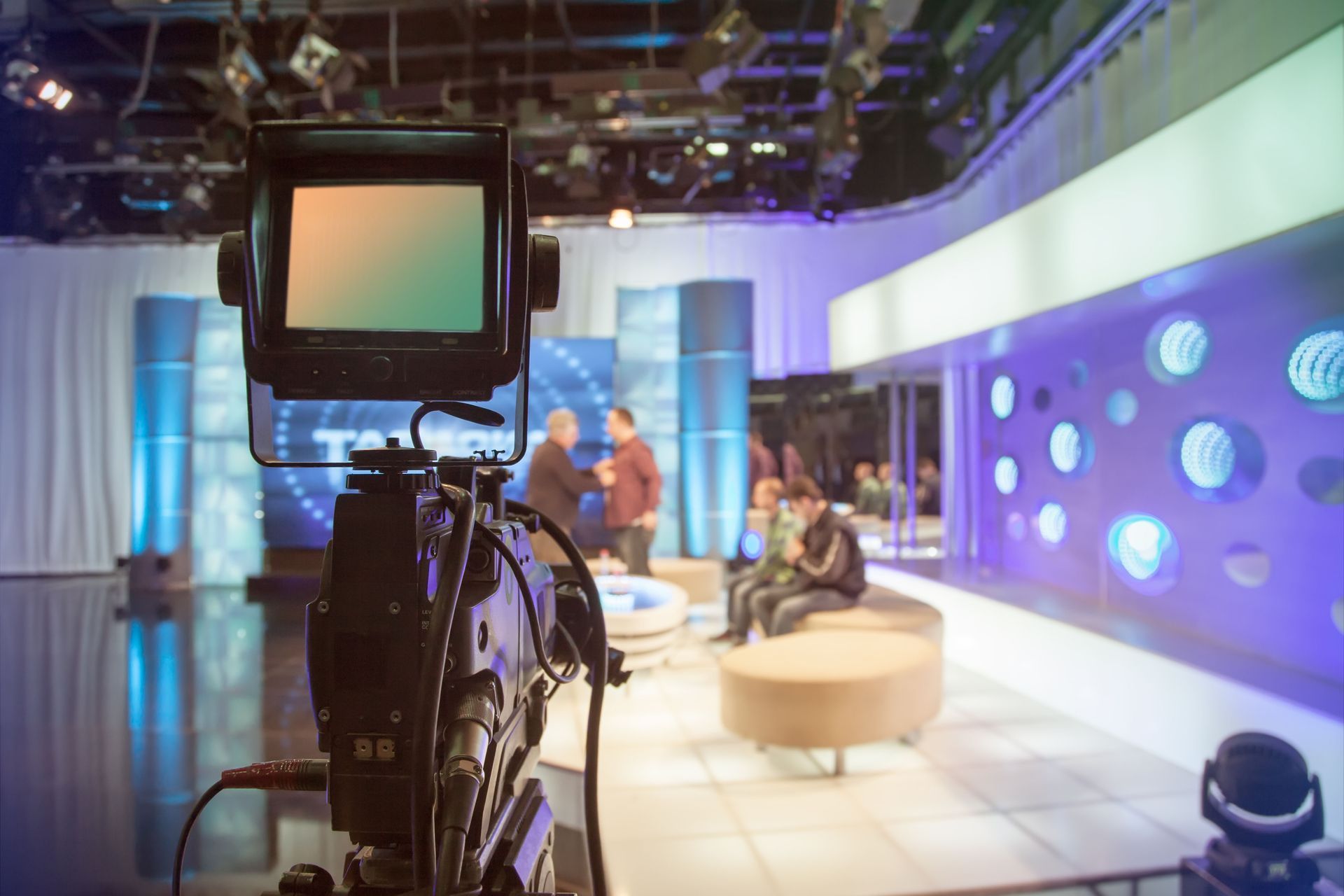
Capturing a live event requires more than simply recording what happens onstage. Production teams must plan camera placement, choose appropriate equipment, and coordinate operators to capture important moments from multiple perspectives. The right camera setup helps create a polished presentation while ensuring that audiences do not miss important details.
Camera selection depends on the event's size, format, and production requirements. Large conferences and concerts may require broadcast-quality cameras, specialized lenses, and multiple camera positions. Smaller productions may use more compact equipment while still maintaining professional image quality. Professional audio video services help determine which equipment and configurations will best support the event.
Camera placement is equally important for comprehensive coverage. Wide shots establish the setting, while close-ups capture speakers, performers, and other important details. Additional cameras may follow movement across the stage or focus on audience reactions. Coordinating these perspectives allows production teams to create a consistent visual experience.
Communication between camera operators is essential during the event. Operators must understand their assigned positions and coordinate with directors to avoid overlapping shots or missing important moments. Rehearsals and established communication systems help the production team respond quickly as the event unfolds. This coordination contributes to smooth transitions and professional video coverage.
Managing Professional Event Audio
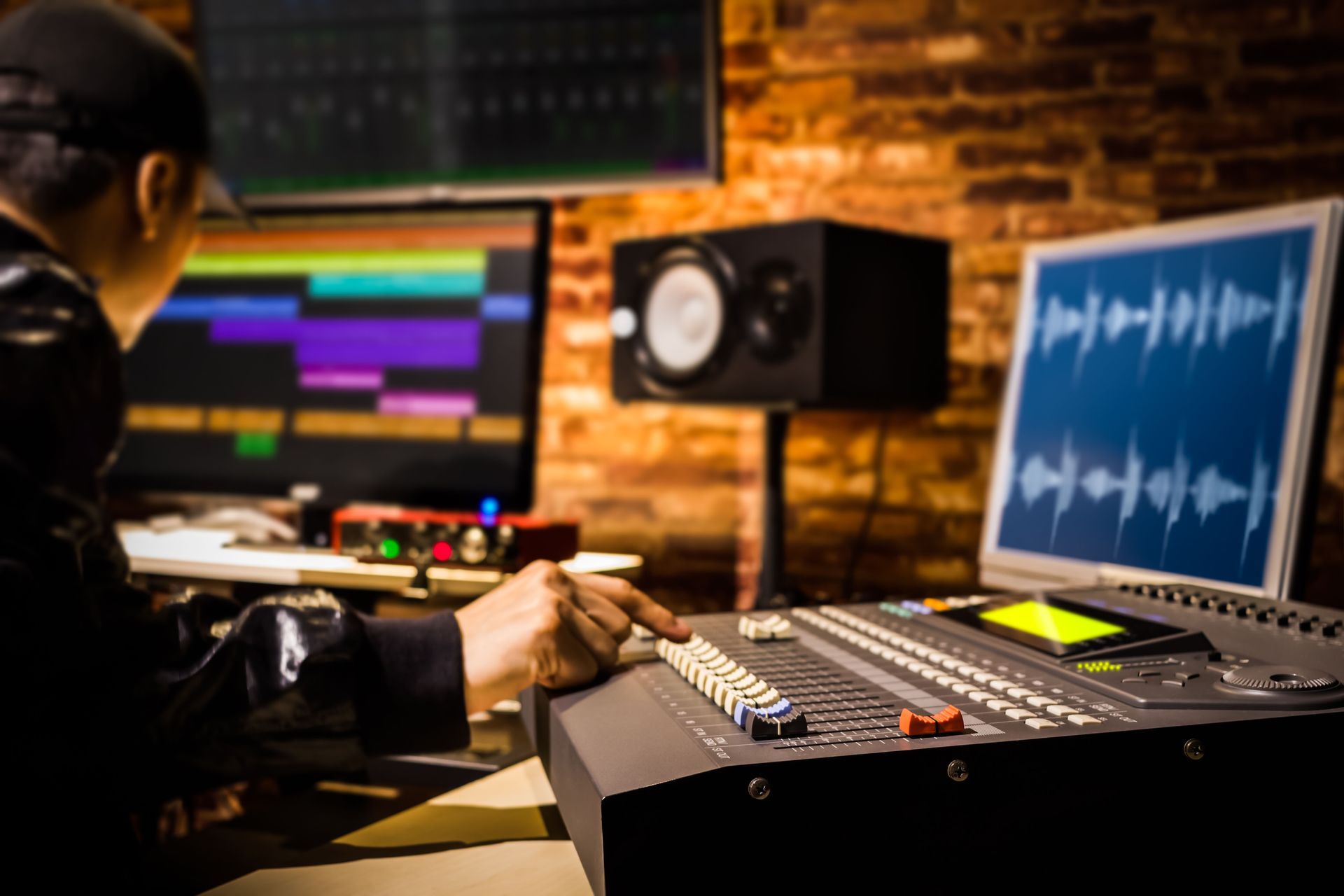
Clear audio is essential to successful live event production. Even impressive visuals cannot compensate for microphones that cut out, distracting background noise, or inconsistent sound levels. Audio engineers work throughout the event to ensure that speakers, performers, and other sound sources are heard clearly.
Microphone selection depends on the type of event and the people participating. Lavalier microphones are commonly used for presenters who need freedom of movement, while handheld microphones work well for interviews and audience participation. Instrument microphones and other specialized equipment may be necessary for musical performances. Proper equipment selection helps capture sound accurately while reducing unwanted interference.
Audio engineers also balance sound levels for different audiences. In-person attendees need sound that works with the venue's acoustics, while recorded and streamed feeds require separate attention to ensure consistent playback quality. Engineers monitor microphone levels, adjust equalization, and manage feedback throughout the production. Professional audio video services provide the technical coordination necessary to maintain reliable sound.
Multiple audio sources must also be managed carefully. Presenters, performers, background music, and audience microphones may all contribute to the final production. Engineers coordinate these inputs to maintain clear transitions and prevent competing sounds from overwhelming the presentation. This attention to detail helps create a more immersive experience.
Designing and Coordinating Event Lighting
Lighting influences how audiences experience a live event. It helps establish the atmosphere, direct attention, and ensure that performers or presenters remain visible. Production teams consider the venue, event format, and camera requirements when developing a lighting plan.
Different lighting fixtures serve different purposes. Spotlights emphasize specific speakers or performers, while wash lighting provides consistent illumination across a larger area. Moving lights and color effects can also add visual interest to concerts, theatrical performances, and other productions. Selecting the right combination helps support the event's overall presentation.
Lighting technicians coordinate equipment and control systems to maintain consistency throughout the event. They may program changes that correspond with presentations, performances, or scheduled transitions. Lighting must also work alongside camera settings to avoid glare, uneven exposure, and distracting visual effects. Professional audio video services bring these technical elements together to create a cohesive production.
Integrating Live Streaming and Broadcast Technology
Live streaming allows events to reach audiences beyond the physical venue. Conferences, corporate meetings, concerts, and educational presentations can be broadcast to viewers who cannot attend in person. A successful stream requires reliable equipment, stable connectivity, and careful coordination between production and broadcast teams.
Choosing a streaming platform depends on the intended audience and distribution requirements. Production teams consider video quality, accessibility, platform compatibility, and available interactive features. They also determine how camera feeds, graphics, presentations, and other content will appear during the broadcast. These decisions help create a consistent experience for remote viewers.
Internet connectivity is another essential consideration. High-definition video requires sufficient bandwidth to maintain reliable transmission without interruptions. Technical teams evaluate network capabilities and establish contingency plans to reduce the risk of dropped connections. Professional audio video services help address these requirements before the event begins.
Streaming software also supports the production process by allowing teams to switch between camera angles, incorporate graphics, and manage different content sources. Operators monitor the broadcast in real time to identify potential problems and maintain smooth transitions. Proper coordination ensures that remote audiences receive a polished presentation that reflects the quality of the live event.
Completing Post-Production and Content Delivery
The production process does not necessarily end when the event concludes. Recorded footage may need editing, audio enhancement, color correction, and other adjustments before it is ready for distribution. Post-production transforms raw recordings into organized content that can be shared with attendees, clients, or a broader audience.
Video editing involves reviewing footage, selecting the most important moments, and arranging clips into a cohesive presentation. Editors may remove unnecessary sections, add transitions, and incorporate titles or graphics. The goal is to preserve the event's most valuable content while creating a polished final recording.
Audio enhancement is another important part of post-production. Engineers may adjust sound levels, reduce unwanted background noise, and synchronize audio with the final video. Color grading can also improve consistency between camera angles and help create a professional appearance. These finishing steps make recorded content more accessible and enjoyable.
Final content may be distributed through online platforms, digital files, or other delivery formats. Production teams consider how the material will be viewed and whether different versions are needed for various audiences. Event recordings can also provide organizations with valuable content for future marketing, training, and internal communications.
Delivering a Professional Event Experience
Professional live event production depends on the successful integration of several technical disciplines. Camera operators, audio engineers, lighting technicians, and streaming specialists must work together to maintain quality throughout the event. Even minor issues can affect the audience experience, making preparation and real-time coordination essential.
Working with experienced professionals helps organizations address the technical demands of different event formats. From selecting appropriate equipment to managing live broadcasts, professional audio video services support every stage of the production process. Having a coordinated team also allows event organizers to focus on their presentations, performers, and attendees rather than managing technical complications. For organizations planning a conference, concert, corporate gathering, or other live production, Audio Video Integrations can help bring the necessary technology and expertise together. Contact Audio Video Integrations to discuss your upcoming event and learn how professional audio video services can support a smooth, engaging, and memorable production.